


Strengthening Sustainable Forest Governance Through Certification and Multi-Stakeholder Collaboration
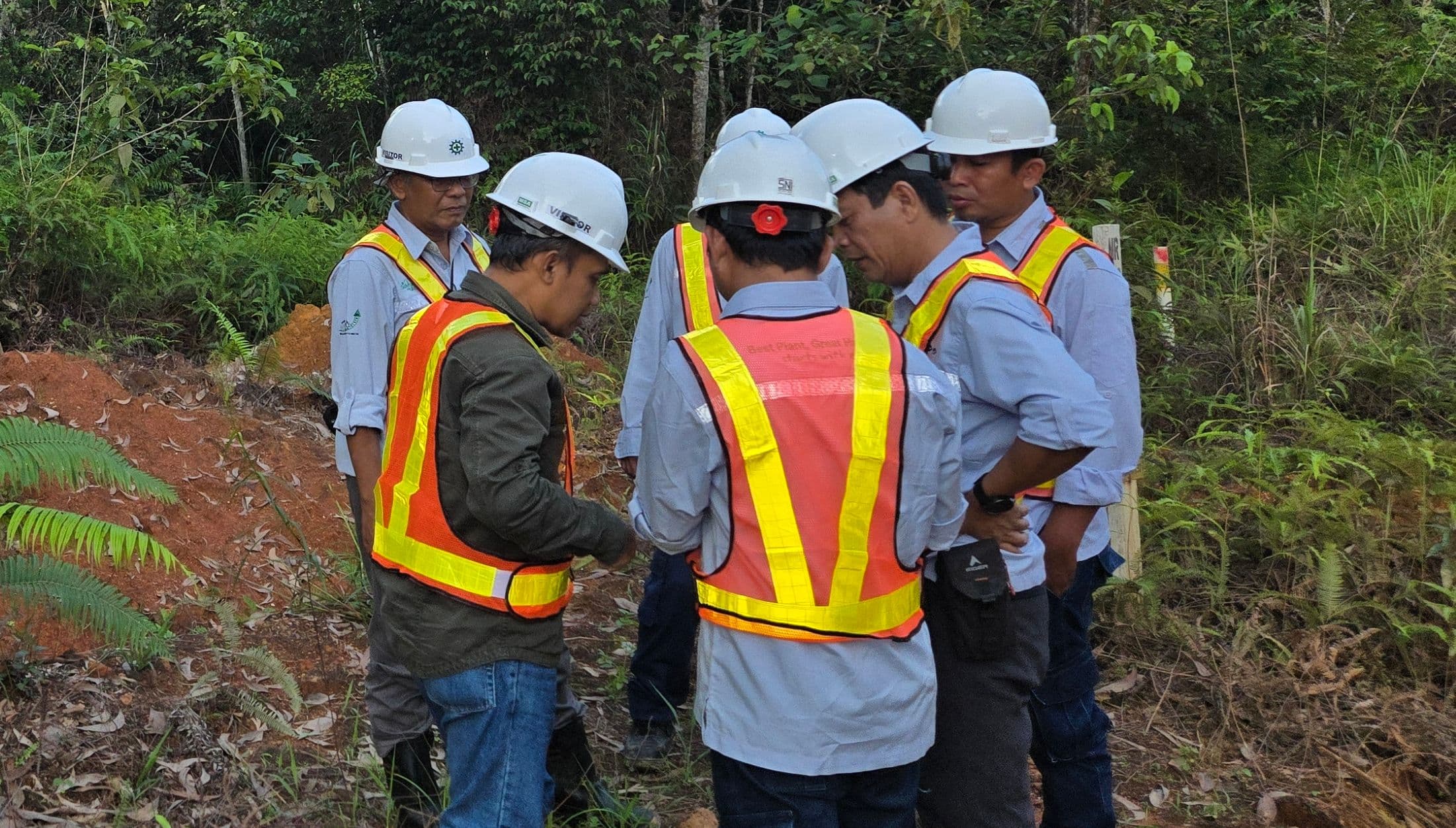
PT Mayawana Persada reinforces sustainable forest management through regular certification audits, statutory compliance, and scientific research partnerships with academia and environmental NGOs.
Managing a sustainable forestry concession requires an integrated operational system that connects long-term planning, regulatory compliance, field execution, and systematic performance reviews. For PT Mayawana Persada, responsible landscape management rests upon three interconnected pillars that carry equal operational weight: production, ecology, and social responsibility.
Assistant Head of Sustainability Muharjan explains that national statutory compliance provides the essential foundation for every operational policy across the landscape.
"We apply sustainable forest management principles consistently by meeting rigorous certification benchmarks, from national Sustainable Forest Management (PHL) standards to recognized international criteria," Muharjan notes.
Regulatory Adaptation and Cross-Departmental Synergy
Evolving national and regional forestry policies are systematically integrated into annual and five-year operational blueprints. This alignment relies on seamless collaboration between frontline field operations and administrative oversight:
- Operational Divisions: Planning, Harvesting, Plantation, and Nursery teams execute daily fieldwork in strict accordance with standardized operating procedures (SOPs).
- Support Divisions: Social, Security, and License (SSL) alongside Legal Compliance teams monitor statutory updates and translate legal requirements into frontline protocols.
"Our three pillars—environment, community, and production—run in complete parallel. No single aspect takes priority over another," Muharjan emphasizes.

Rigorous Audits and Responsive Management Reviews
To verify field compliance, the company runs continuous internal review cycles. Sustainability Assistant Charia Salasari explains that every operational unit undergoes mandatory annual internal audits evaluating adherence to IFCC, ISO 14001 (Environmental Management Systems), and SMK3 (Occupational Health and Safety) frameworks.
Audit findings are escalated directly to executive Management Review Meetings (RTM) to establish corrective action plans and assign capital expenditure budgets. A concrete example of this responsive governance is the construction of specialized wash-and-decontamination stations for field operators handling agricultural inputs.

Independent Academic Partnerships and Conservation Research
Beyond formal oversight by statutory bodies such as the Forest Management Unit (KPH) and the Environmental Agency (DLH), PT Mayawana Persada validates its sustainability practices through external, science-based partnerships:
- Wildlife Conservation Studies: Collaborating with Universitas Tanjungpura (Untan) and the Ecology and Conservation Center for Tropical Studies (Ecositrop) to systematically survey and protect wild Orangutan populations within High Conservation Value (HCV) zones.
- Multi-Stakeholder Revegetation: Partnering with environmental non-governmental organizations (NGOs) and local community members in native species replanting initiatives, enhancing transparency while fostering local community stewardship over protected zones.
By pairing rigorous internal audits with external academic research, PT Mayawana Persada ensures that every operational forestry decision is rooted in verifiable scientific data and transparent forest governance.
FAQ
What certification standards does PT Mayawana Persada follow for forest governance?
The company operates in compliance with Indonesia's mandatory Sustainable Forest Management (PHL) framework, the Indonesian Forestry Certification Cooperation (IFCC) standards, ISO 14001 for environmental management, and SMK3 for occupational health and safety.
How does PT Mayawana Persada collaborate with external researchers on conservation?
The company partners with researchers from Universitas Tanjungpura (Untan) and Ecositrop to conduct biodiversity assessments, population tracking, and habitat mapping for protected wildlife, particularly Orangutans living within conserved concession areas.
Read also
 Operations & Field Activity
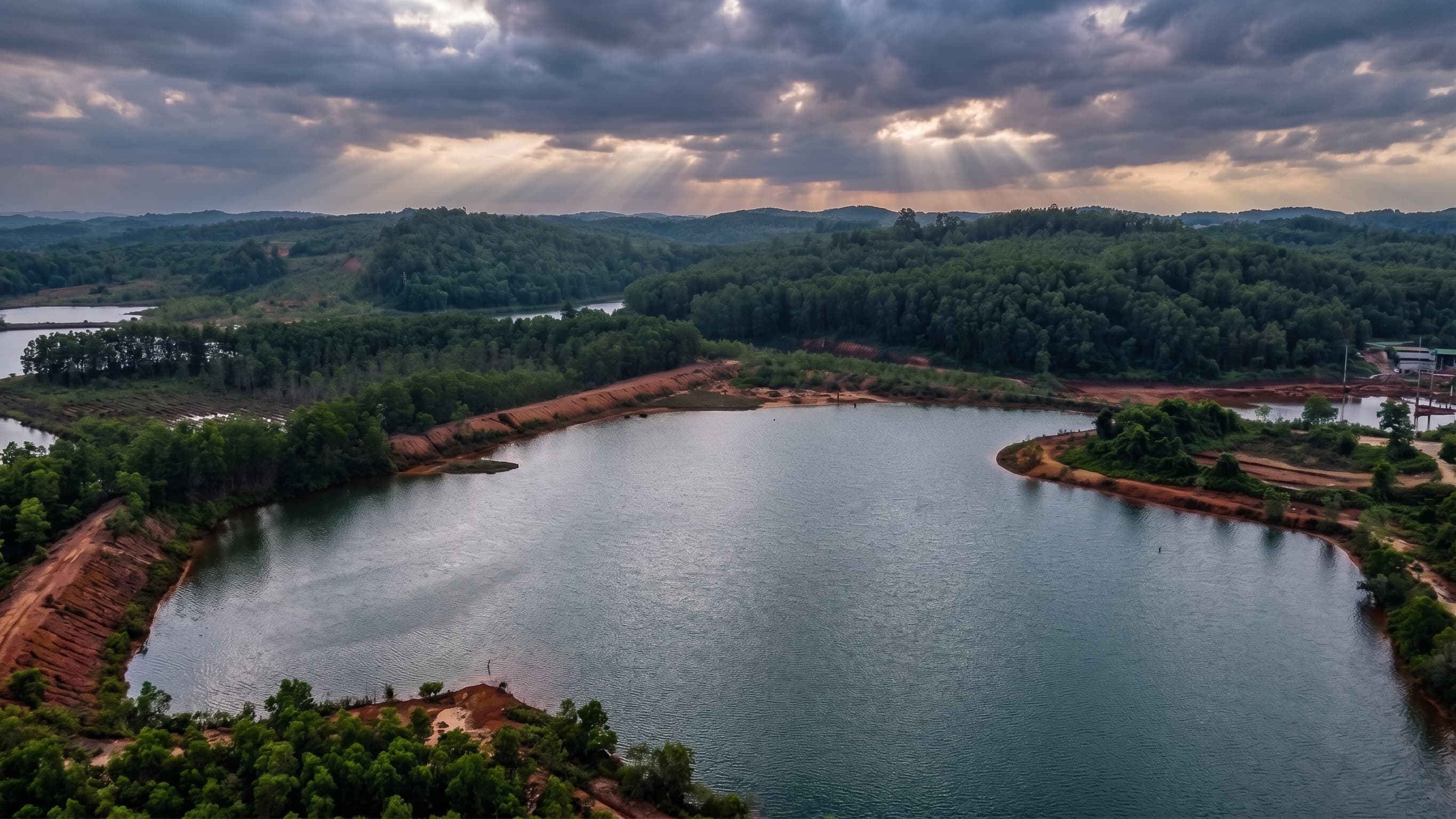
PT Mayawana Persada Deploys Integrated Personnel and Infrastructure, Focusing Wildfire Suppression Toward Complete Extinction
Read more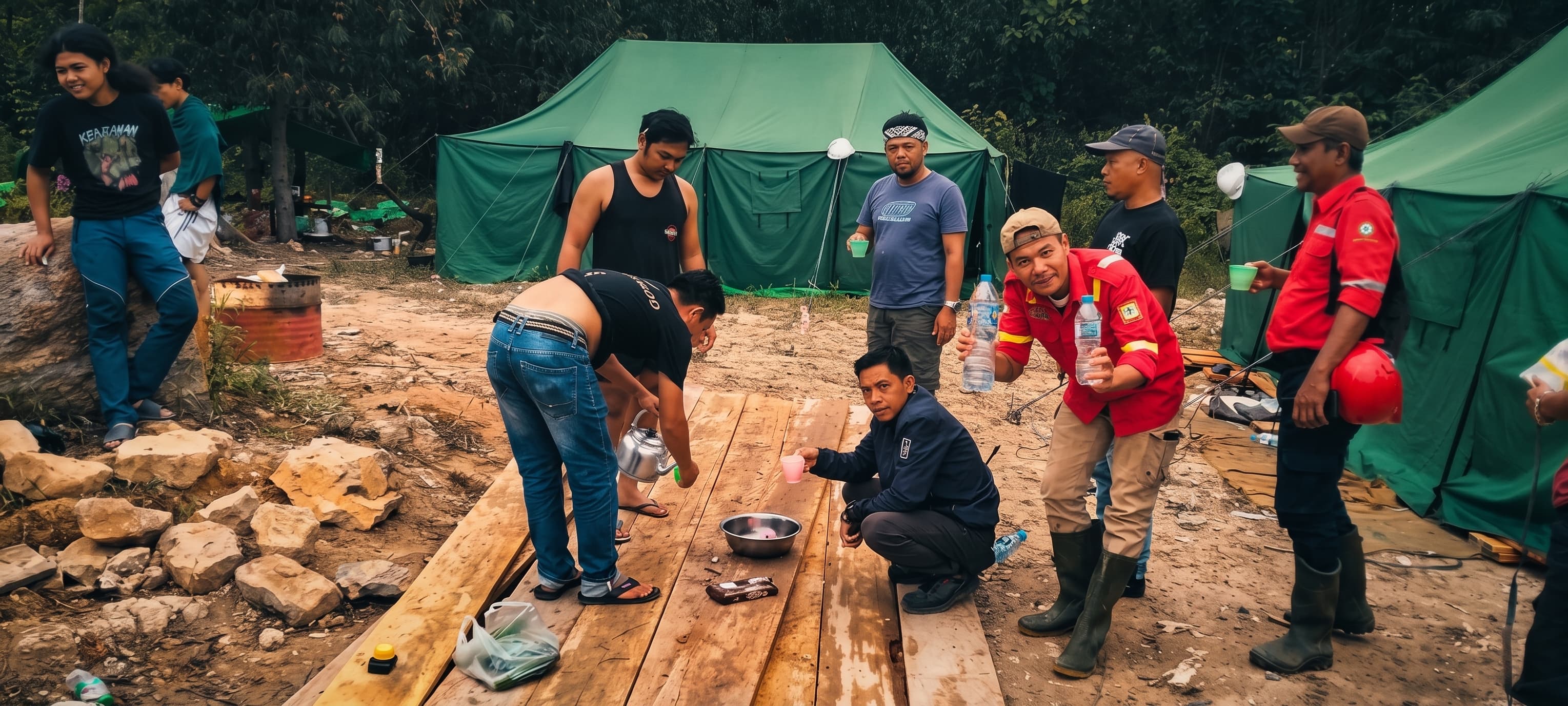 CSR & Community
Community-Based Conservation: Safeguarding Forest Sustainability Through Synergy with Local Communities
Read more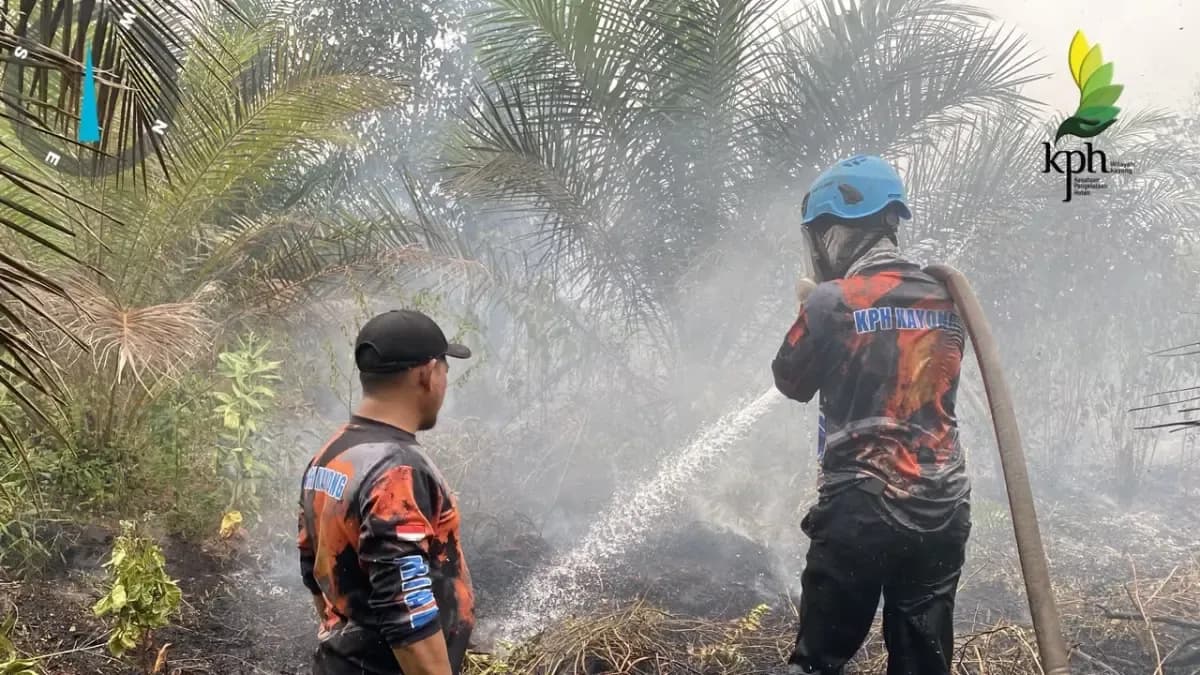 Operations & Field Activity
Emergency Water Retention Basin Built in Padu Banjar as KPH Team Responds to New Wildfire Report During Site Inspection
Read more