


Before the Smoke Rises: Inside PT Mayawana Persada’s Relentless Fire Defense
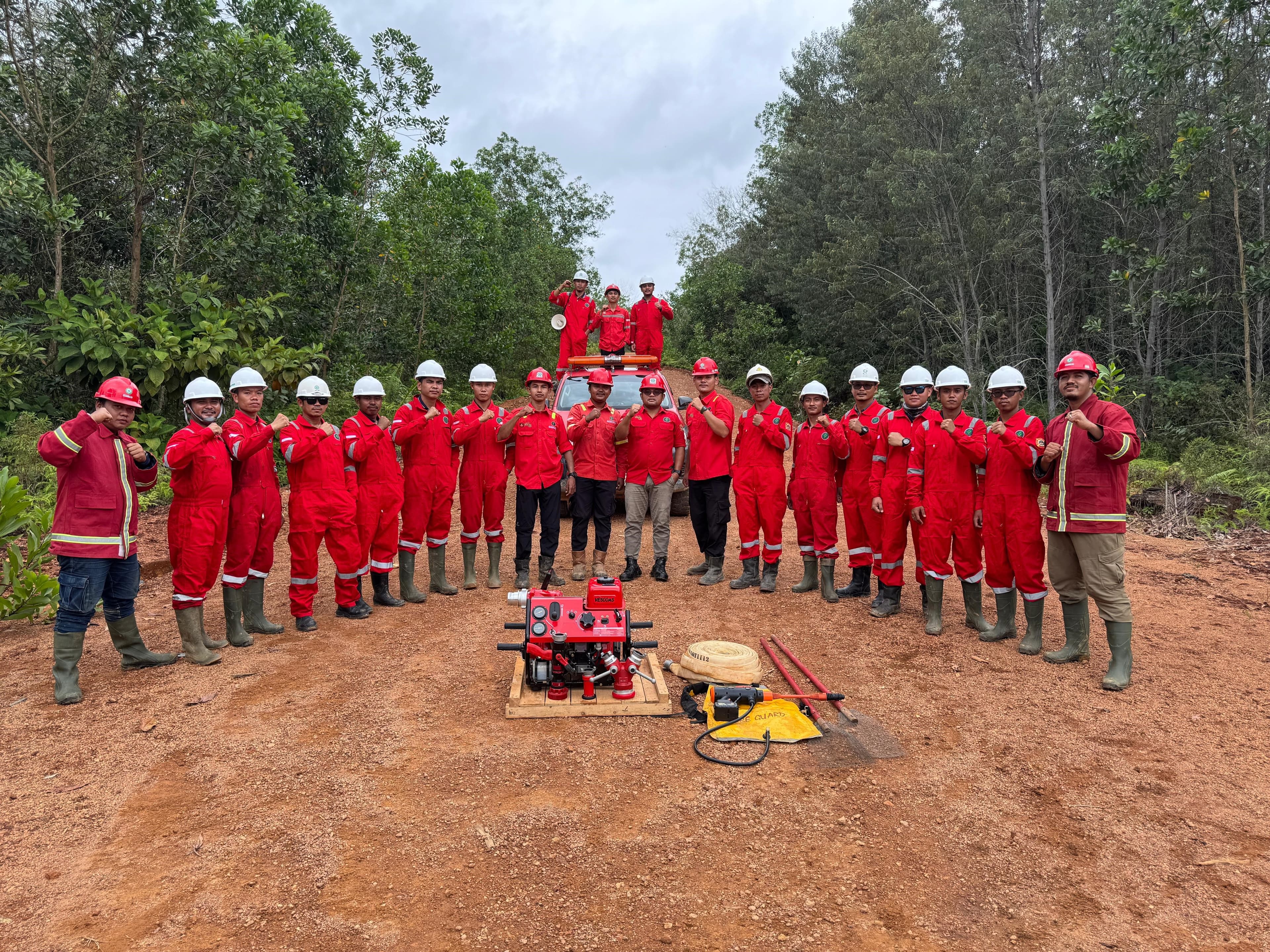
PT Mayawana Persada achieves 100% compliance with MoEF Regulation P.32 through rapid-response readiness, data-driven risk profiling, and disciplined ground crews.
KETAPANG, WEST KALIMANTAN — Early-morning radio traffic at the PT Mayawana Persada Fire Command Post triggers an immediate protocol: smoke indicators are cross-referenced with satellite data and real-time wind patterns. During the peak dry season, every minute counts when securing the concession perimeter and surrounding communities.
This rapid response reflects year-round operational discipline. Across vast forestry areas, emergency readiness is not assembled during a crisis; it is built through continuous drills, predictive weather tracking, and strict adherence to statutory forestry standards.
Beginning in 2019, the company systematically established its fire protection framework. In addition to basic and advanced staff training, support infrastructure and suppression gear were progressively upgraded, reaching full 100% compliance with the Ministry of Environment and Forestry (MoEF) Regulation P.32 on Wildfire Control by early 2024.
Continuous Readiness and Equipment Maintenance
Regulatory compliance serves as the baseline, but operational success depends on crew performance under pressure.
Every member of the Fireguard team participates in annual emergency response drills, weekly equipment maintenance checks, and ongoing internal training modules. This routine ensures personnel master the technical nuances of their suppression equipment and command protocols.
Field preparedness is maintained on every rotation: patrol units travel equipped with portable fire pumps, industrial hoses, reserve fuel, and backup power supplies ready for immediate deployment.
Data-Driven Risk Profiling and Tiered Patrols
Daily fire prevention relies on systematic environmental data. Field officers track multiple parameters, including ambient air humidity, surface temperature, daily precipitation, and 15-day cumulative rainfall records. These figures are paired with ground assessments of combustible materials, such as dry leaf litter and fallen branch density.
When analytics indicate critical vulnerability during extended rainless periods, patrol activity escalates into a tiered, round-the-clock operation covering morning, afternoon, and night shifts.
Upon confirming a thermal anomaly or smoke plume, standard operating procedures activate immediately. Deployment scales based on threat levels—from rapid-scout verification teams to fully equipped suppression crews backed by cross-departmental radio networks.
Long-Term Environmental Stewardship
Safeguarding tropical production and conservation forests requires sustained dedication. During high-risk dry seasons, crew members maintain continuous watch on overnight shifts and adapt leave schedules to ensure uninterrupted perimeter coverage.
For PT Mayawana Persada, modern gear and crew development represent a long-term investment in regional ecosystem resilience. Grounded in rigorous discipline and rapid response, the Fireguard team serves as the front line of sustainable forest protection in West Kalimantan.
FAQ
What is the MoEF P.32 Standard in PT Mayawana Persada's wildfire management?
Regulation P.32 represents the mandatory national standard issued by the Ministry of Environment and Forestry. It establishes strict legal requirements for concession holders regarding crew qualifications, personnel ratios, fire suppression facilities, and essential field equipment.
How does PT Mayawana Persada evaluate fire risk levels in the field?
Threat levels are calculated by integrating daily meteorological data (temperature, humidity, 15-day rainfall accumulation), satellite hotspot tracking, and direct physical measurement of dry forest fuel loads on the ground.
Read also
 CSR & Community
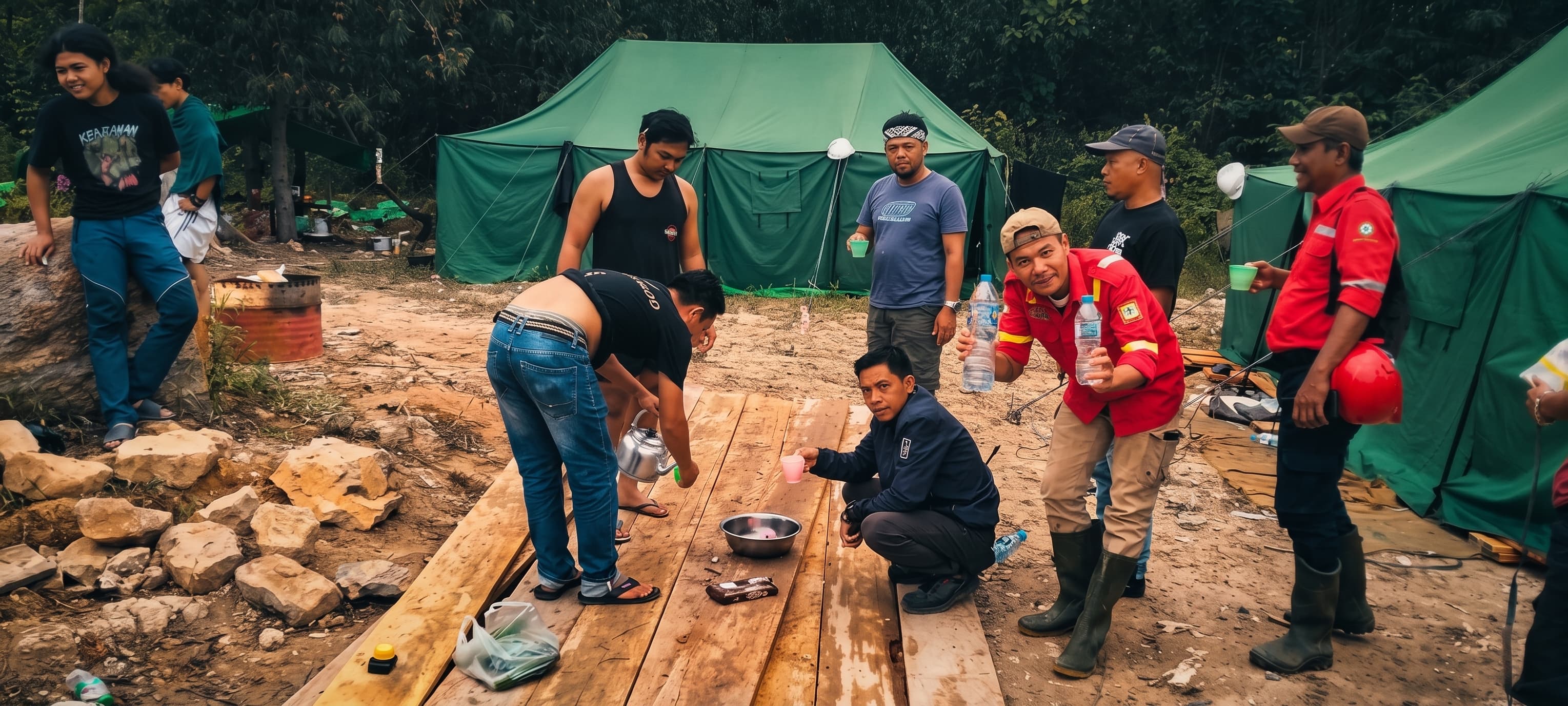
Community-Based Conservation: Safeguarding Forest Sustainability Through Synergy with Local Communities
Read more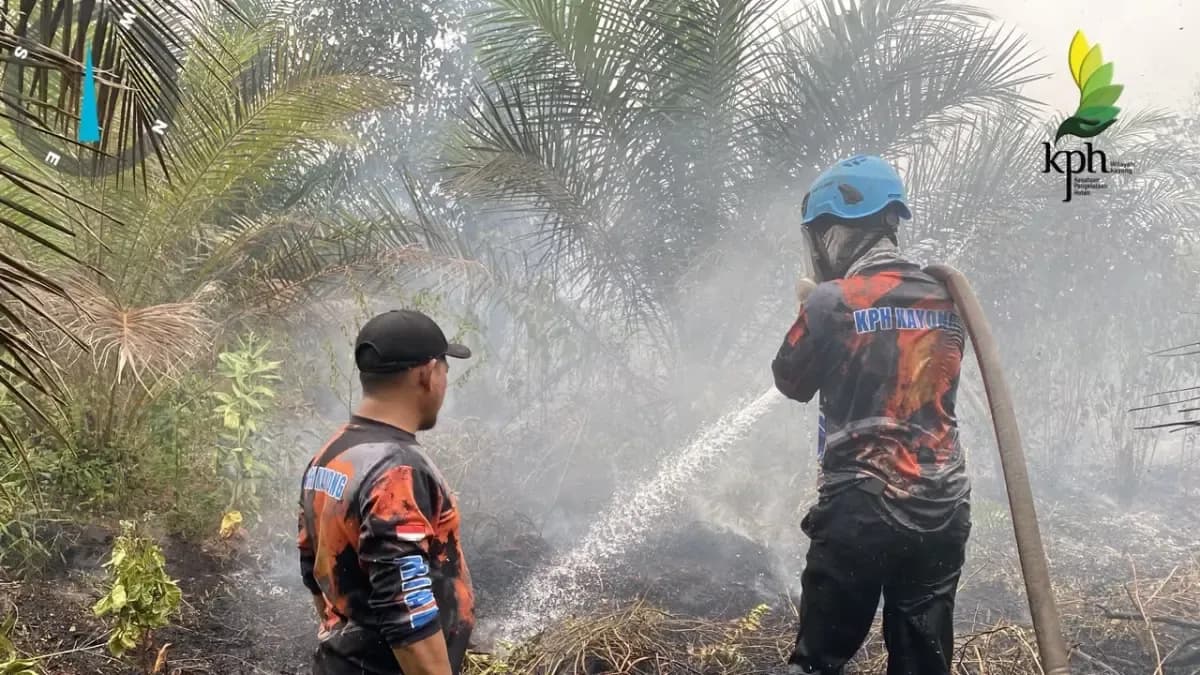 Operations & Field Activity
Emergency Water Retention Basin Built in Padu Banjar as KPH Team Responds to New Wildfire Report During Site Inspection
Read more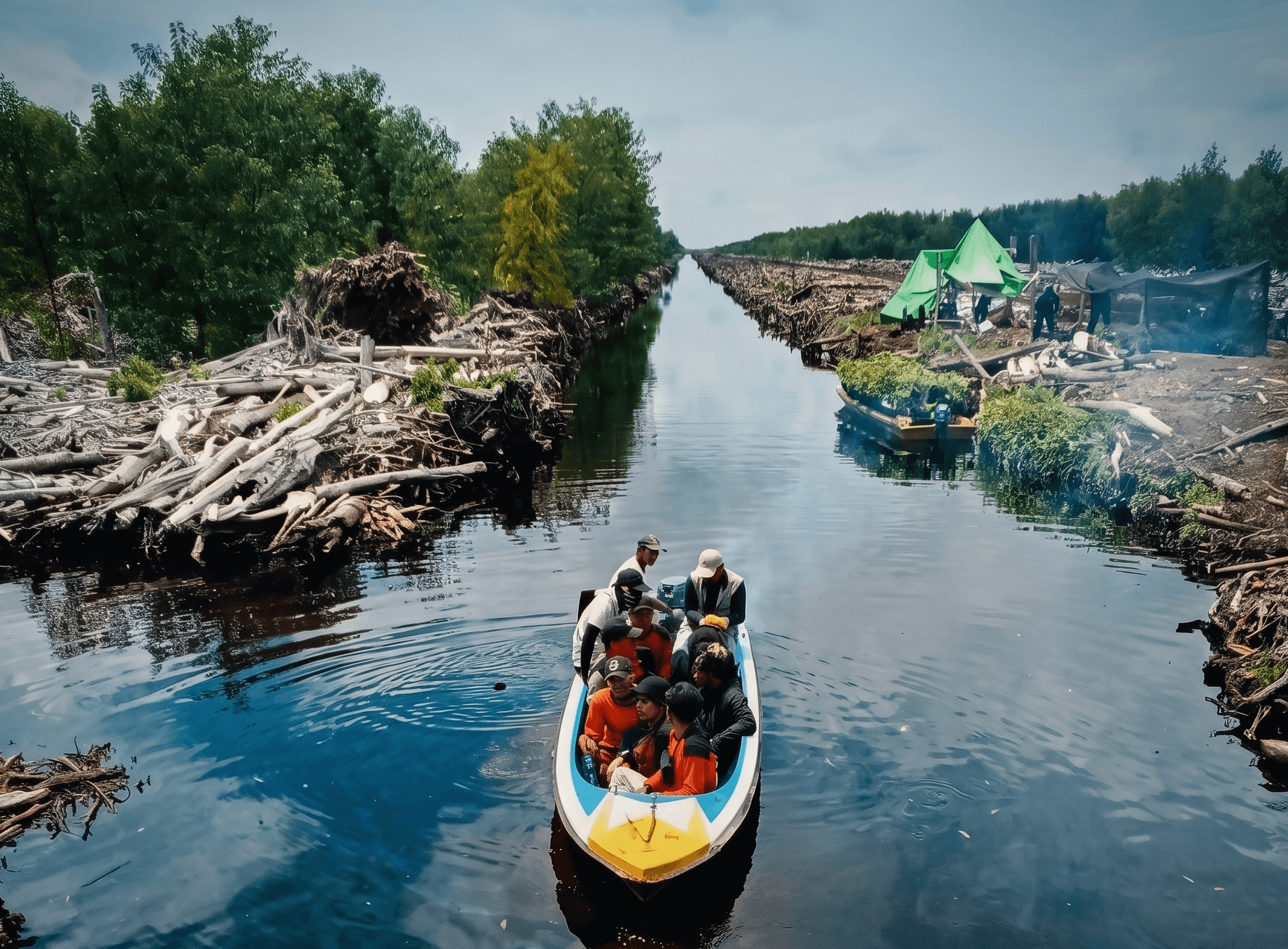 Operations & Field Activity
Ecological Management: Safeguarding River Riparian Zones and Sustaining Local Life
Read more