


How PT Mayawana Persada Strengthens Rural Classrooms in West Kalimantan
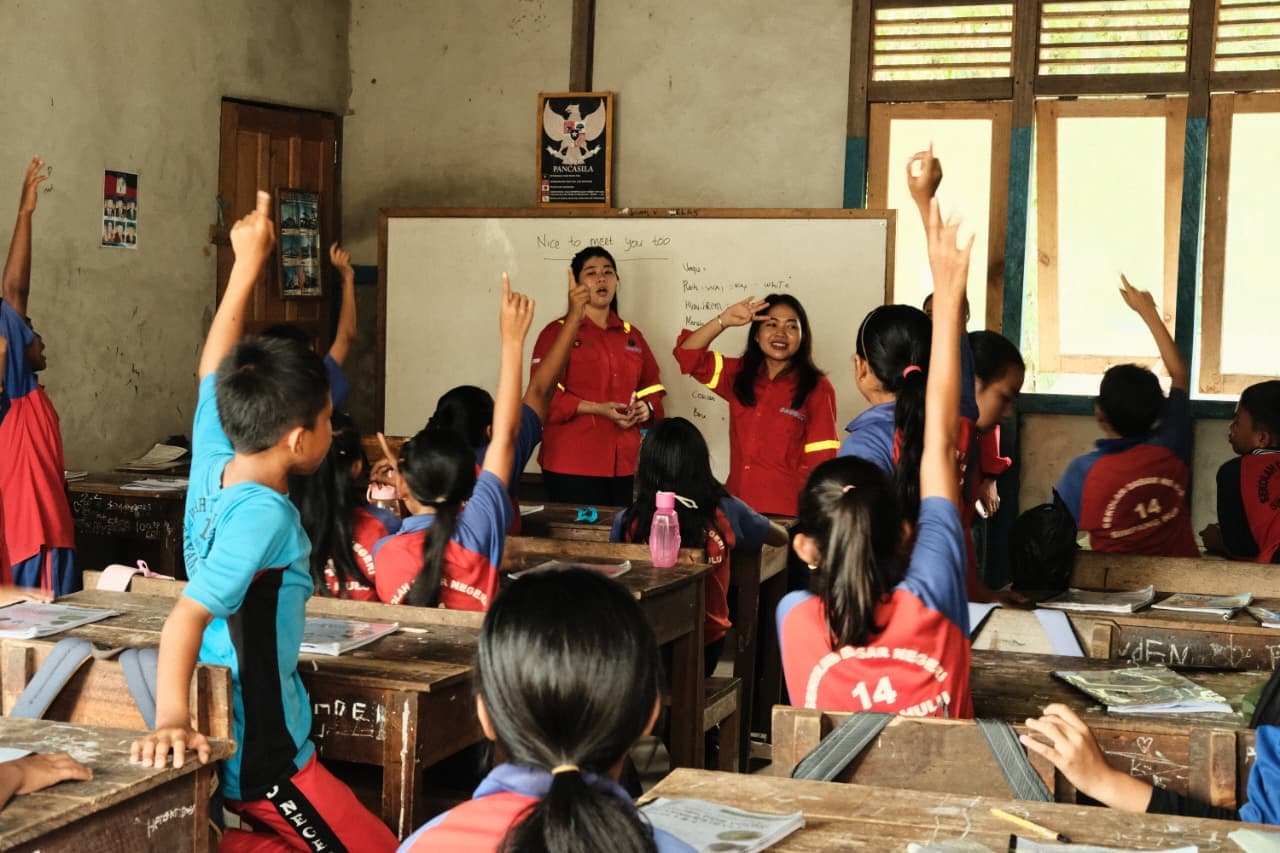
PT Mayawana Persada advances rural community development across West Kalimantan by supporting 54 non-permanent teachers, renovating classroom infrastructure, deploying employee literacy volunteers, and designing long-term academic scholarships.
The morning sun rises over the rural settlements bordering PT Mayawana Persada’s forestry concession, met by the lively chatter of elementary students gathered in modest wooden classrooms. Behind their enthusiasm lies the persistent reality of remote education: aging school infrastructure and an acute shortage of tenured civil-service teachers. For the company, addressing these gaps is essential to ensure local children receive the quality education they deserve.
Assistant Corporate Social Responsibility (CSR) Manager Veronika Bella Cynthia views education as the cornerstone of community resilience.
"Our goal is educational continuity," Bella explains. "No child in these villages should be forced to drop out simply because their schools lack basic facilities or instructional support."

Mayawana Mengajar and Direct Educator Support
To address foundational learning needs, the company established the Mayawana Mengajar (Mayawana Teaches) initiative. Employee volunteers visit rural classrooms to teach foundational English—covering the alphabet, basic conversational phrases, and vocabulary. These sessions also integrate practical health literacy, guiding young learners through essential daily habits like proper tooth-brushing routines.
Alongside instructional support, the team distributes school supplies and reusable drink tumblers, encouraging students to stay hydrated while reducing single-use plastic waste around school grounds.
Recognizing that rural schools rely heavily on contract educators, PT Mayawana Persada provides monthly financial allowances to 54 non-permanent (honorer) teachers across its Ketapang and Kayong operational estates, helping stabilize educator retention in remote areas.
This personnel support is matched by targeted infrastructure upgrades. In collaboration with local village leadership, the company completed essential repairs at SDN 14, replacing damaged ceilings, repairing doors, and repainting classrooms to restore safe, comfortable learning spaces.

Scholarships, Cultural Arts, and Equivalency Learning
Ongoing field engagement continues to reveal new avenues for youth development. Observing the children's natural interest in performing arts, field teams are preparing cultural dance workshops (sanggar) to help students build self-confidence and preserve regional traditions.
Looking ahead, PT Mayawana Persada is structuring a multi-year scholarship framework for high-achieving students from low-income families.
"We are designing sustainable, long-term scholarship pathways," Bella emphasizes. "When students enter high school, we plan to support them through graduation and into higher education, preparing them to return and contribute to their home villages."
To ensure inclusive community growth, Social, Security, and License (SSL) Assistant Petrus Litang coordinates with village authorities to map out-of-school youths and non-literate adults. These individuals will be enrolled in certified government equivalency programs (Paket A, B, and C), ensuring transparent execution without duplicating local government efforts.
By pairing grassroots classroom volunteering with teacher welfare and long-term academic funding, PT Mayawana Persada demonstrates that sustainable forestry investment must prioritize knowledge and human potential alongside physical infrastructure.
FAQ
What initiatives are included under PT Mayawana Persada's educational CSR framework?
The framework includes monthly allowances for 54 non-permanent teachers, physical classroom renovations, employee volunteer teaching via Mayawana Mengajar, reusable tumbler distributions, long-term university scholarships, and adult equivalency certifications (Paket A, B, C).
Why does PT Mayawana Persada provide financial incentives to local teachers?
Most primary schools in remote concession areas depend on non-permanent (honorer) teachers who operate with limited public funding. The company’s monthly incentives provide economic stability, ensuring consistent instructional quality and teacher retention in rural communities.
Read also
 Environment & Biodiversity
Environmental, Social, and Governance: A Strategy for Building a Sustainable Business
Read more Operations & Field Activity
PT Mayawana Persada Deploys Integrated Personnel and Infrastructure, Focusing Wildfire Suppression Toward Complete Extinction
Read more CSR & Community
Community-Based Conservation: Safeguarding Forest Sustainability Through Synergy with Local Communities
Read more