


Unlocking Village Potential: Building Rural Self-Reliance Through Local Supply Chains
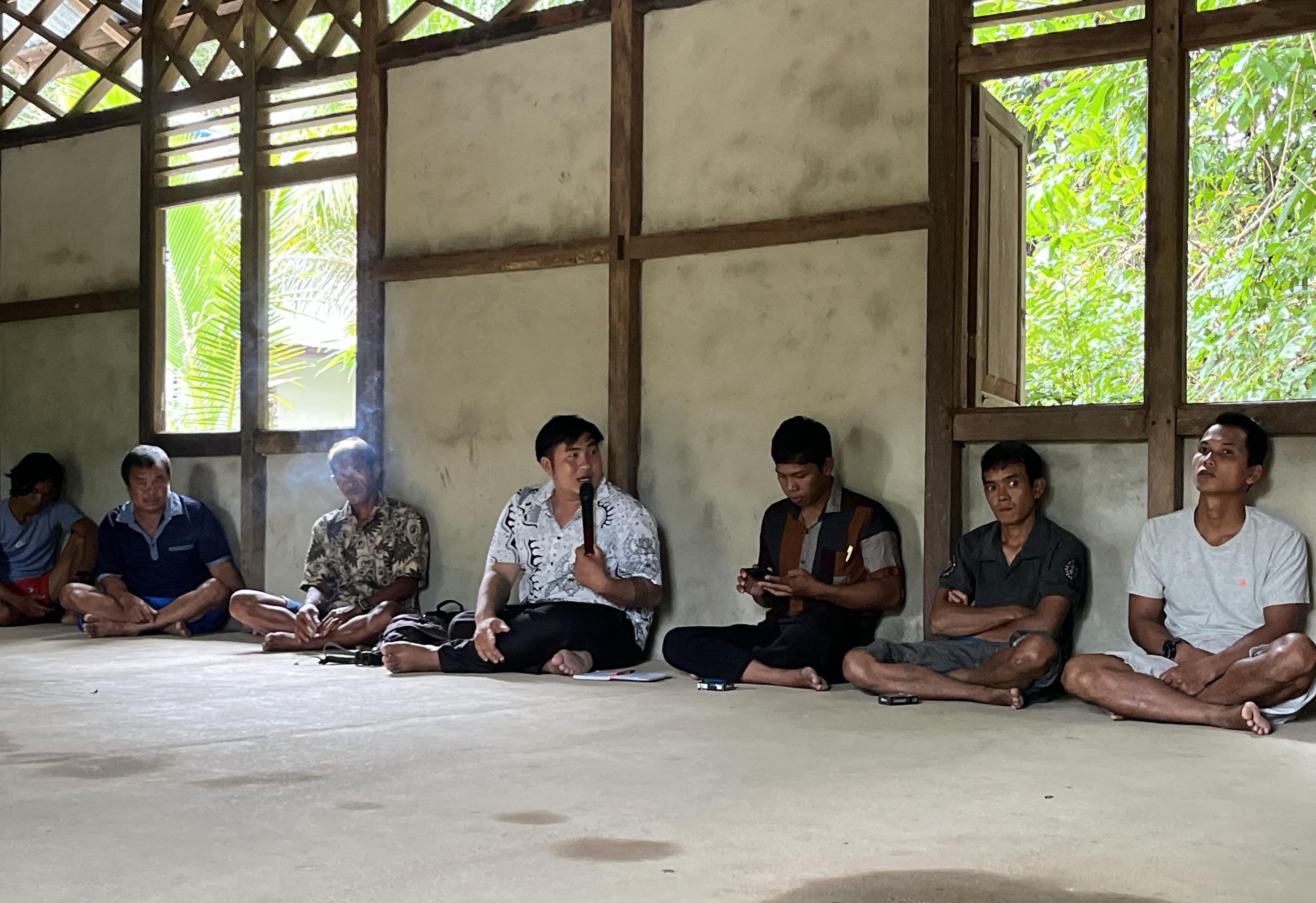
PT Mayawana Persada strengthens the rural economy around its concession through commodity cluster mapping, worker canteen supply integration, and strategic market access.
Upholding traditional farming and river fishing has been the bedrock of local livelihoods across generations. Instead of displacing these cultural practices, PT Mayawana Persada reinforces existing village capabilities by providing market certainty and commercial off-take pathways.
This community-first philosophy is led by Assistant Corporate Social Responsibility (CSR) Manager Veronika Bella Cynthia and Social, Security, and License (SSL) Assistant Petrus Litang. Both emphasize that effective economic development must reflect the organic character and heritage of rural communities.
"Local life here remains deeply connected to ancestral farming and fishing," Bella explains. "Our vision is never to disrupt their customary work, but to elevate that potential so families gain reliable, predictable economic returns."
Commodity Clustering and Corporate Supply Chain Integration
A recurring hurdle for rural farmers during harvest peaks is post-harvest spoilage caused by inadequate storage and distant market access. To resolve this bottleneck, PT Mayawana Persada designed a targeted economic clustering model based on each village's comparative advantage:
- Sekucing Labai Village: Developed as a dedicated production hub for fresh green vegetables.
- Kualan Hilir Village: Focused on sustainable rice cultivation using integrated agroforestry systems.
- Sekucing Kualan Village: Positioned as a freshwater aquaculture center equipped with river fish cages (keramba).
These community yields are directly integrated into the company's daily operational supply chain. Rice and seasonal produce cultivated by local growers are purchased directly by the company to supply on-site employee canteens.
"Locally grown rice and vegetables are aggregated and purchased to supply our operational mess halls and catering facilities," Bella notes. "This setup creates a genuine win-win relationship between the company and neighboring growers."
Phasing Out Dependency, Fostering Independent Enterprises
For Petrus Litang, linking local production directly to corporate procurement is designed to build long-term autonomy rather than reliance. PT Mayawana Persada acts as an initial catalyst, providing the steady volume needed for villagers to transition into professionally managed commercial suppliers.
Beyond agriculture and aquaculture, the community development team is rolling out supplementary vocational training in practical service trades—such as motorcycle mechanics, barbering, and salon styling—to diversify rural household revenue streams.
"We want to ensure communities do not remain permanently reliant on corporate support," Bella affirms. "The definitive objective is empowering local residents to stand confidently on their own feet as independent business owners."
By aligning operational demand with traditional village capabilities, PT Mayawana Persada demonstrates that sustainable commercial forestry can systematically drive equitable economic prosperity across concession-bordering communities.
FAQ
How does PT Mayawana Persada drive rural economic self-reliance?
PT Mayawana Persada integrates indigenous farming and river fishing traditions into its corporate supply chain. By establishing specialized village clusters—Sekucing Labai for fresh vegetables, Kualan Hilir for agroforestry rice, and Sekucing Kualan for river fisheries—the company serves as a direct off-taker for its operational canteens while facilitating broader market off-taking agreements, livestock programs, and vocational entrepreneurship.
What is the objective of the commodity clustering program?
The clustering initiative minimizes harvest waste, provides guaranteed market pricing, and systematically builds local business capacity so rural communities achieve long-term economic self-reliance.
Read also
 Environment & Biodiversity
Environmental, Social, and Governance: A Strategy for Building a Sustainable Business
Read more Operations & Field Activity
PT Mayawana Persada Deploys Integrated Personnel and Infrastructure, Focusing Wildfire Suppression Toward Complete Extinction
Read more CSR & Community
Community-Based Conservation: Safeguarding Forest Sustainability Through Synergy with Local Communities
Read more