


Ecological Management: Safeguarding River Riparian Zones and Sustaining Local Life
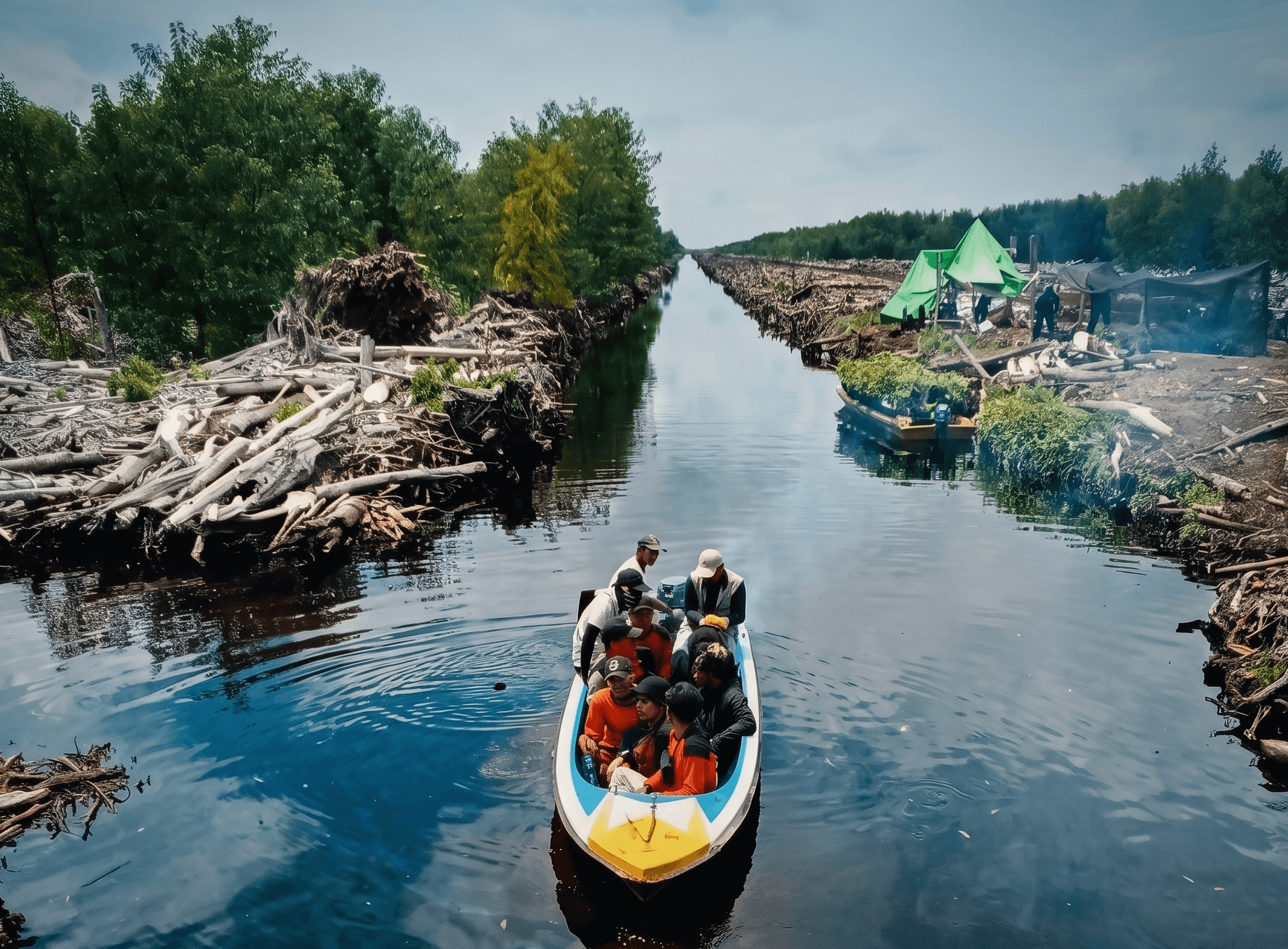
Discover how PT Mayawana Persada applies ecological management to protect river riparian zones, water quality, and local fisheries in Borneo.
PT Mayawana Persada allocates protected river riparian zones through rigorous ecological management to safeguard water quality, biodiversity, and local community fisheries.
In industrial forestry governance, river riparian zones hold a crucial function that extends far beyond serving as mere regional boundary lines. These natural buffer areas act as ecosystem fortresses, preserving hydrological functions, bank soil stability, and surrounding biodiversity.
At PT Mayawana Persada, the commitment to protecting river riparian zones is integrated right from the spatial planning stage through the Business Work Plan (RKU) and Environmental Impact Assessment (AMDAL) documents. Out of a total concession area of 138,000 hectares, the company has designated approximately 37,000 hectares as conservation and protected areas, with plans to expand this to 51,000–52,000 hectares in upcoming RKU extensions.
Ecological Functions and Community Livelihood Guardians
Riparian zones possess a dual function: maintaining environmental quality while supporting the economic sustainability of local communities whose livelihoods depend on aquatic ecosystems.
PT Mayawana Persada's Assistant Head (Askep) of Sustainability, Muharjan, explains that the presence of these buffer areas directly impacts the lives of surrounding village residents. "Riparian zones serve as lifelines for nearby communities who fish and harvest freshwater prawns. This area functions as a buffer between planting zones and water bodies to filter surface run-off so that river water quality remains preserved," he explains.
To ensure these buffer zones are not disrupted by operational activities, the company enforces multi-layered field protection. Technical teams first map river streams and install boundary markers for the protected zones. Additionally, trees along the boundaries are marked with red paint as a "no-go" line prohibiting heavy machinery or logging activities.
If any riparian section experiences a loss of canopy cover, rehabilitation is immediately executed through enrichment planting using local forest tree species such as meranti and wild durian.
Periodic Monitoring and Environmental Quality Compliance
The success of conservation functions is verified through periodic monitoring of vegetation cover, wildlife diversity, and water parameters.
Vegetation analysis is conducted every six months to measure density and biodiversity indices. Meanwhile, wildlife monitoring is reinforced by deploying camera traps starting in August 2025. Sustainability Assistant Charia Salasari confirms that these maintained protected zones have proven to be safe habitats for endemic wildlife such as orangutans, sun bears, and barking deer.
Water quality testing is also carried out periodically by collecting water samples twice a year for independent laboratory testing. This monitoring data is officially reported in Environmental Management Plan (RKL) and Environmental Monitoring Plan (RPL) documents.
This consistency in environmental governance has earned the company a Blue predicate for two consecutive years under the government's Program for Pollution Control, Evaluation, and Rating (PROPER). This achievement confirms that all environmental quality parameters remain within safe conditions and comply with regulations.
Inclusive Community Empowerment and Communication
Protecting river riparian zones relies on strong synergy with surrounding communities. Therefore, the drafting of the Annual Work Plan (RKT) always begins with open dialogues with village governments and local figures. This collaboration is tangibly realized in the field through joint patrols and public education regarding protected flora and fauna.
Consistent ecological management of river riparian zones proves that industrial forestry operations can run hand-in-hand with the protection of water resources and the enhancement of local living standards.
FAQ
Why is river riparian zone protection crucial at PT Mayawana Persada through ecological management?
Riparian zones act as natural buffer zones that filter surface run-off and prevent water body pollution. Out of a total concession of 138,000 hectares, PT Mayawana Persada has designated approximately 37,000 hectares (projected to expand up to 51,000–52,000 hectares) as conservation and protected zones. These areas are strictly guarded to preserve local community fisheries, maintain clean water supplies, and protect habitats for endangered wildlife such as orangutans, sun bears, and barking deer.
Read also
 Environment & Biodiversity
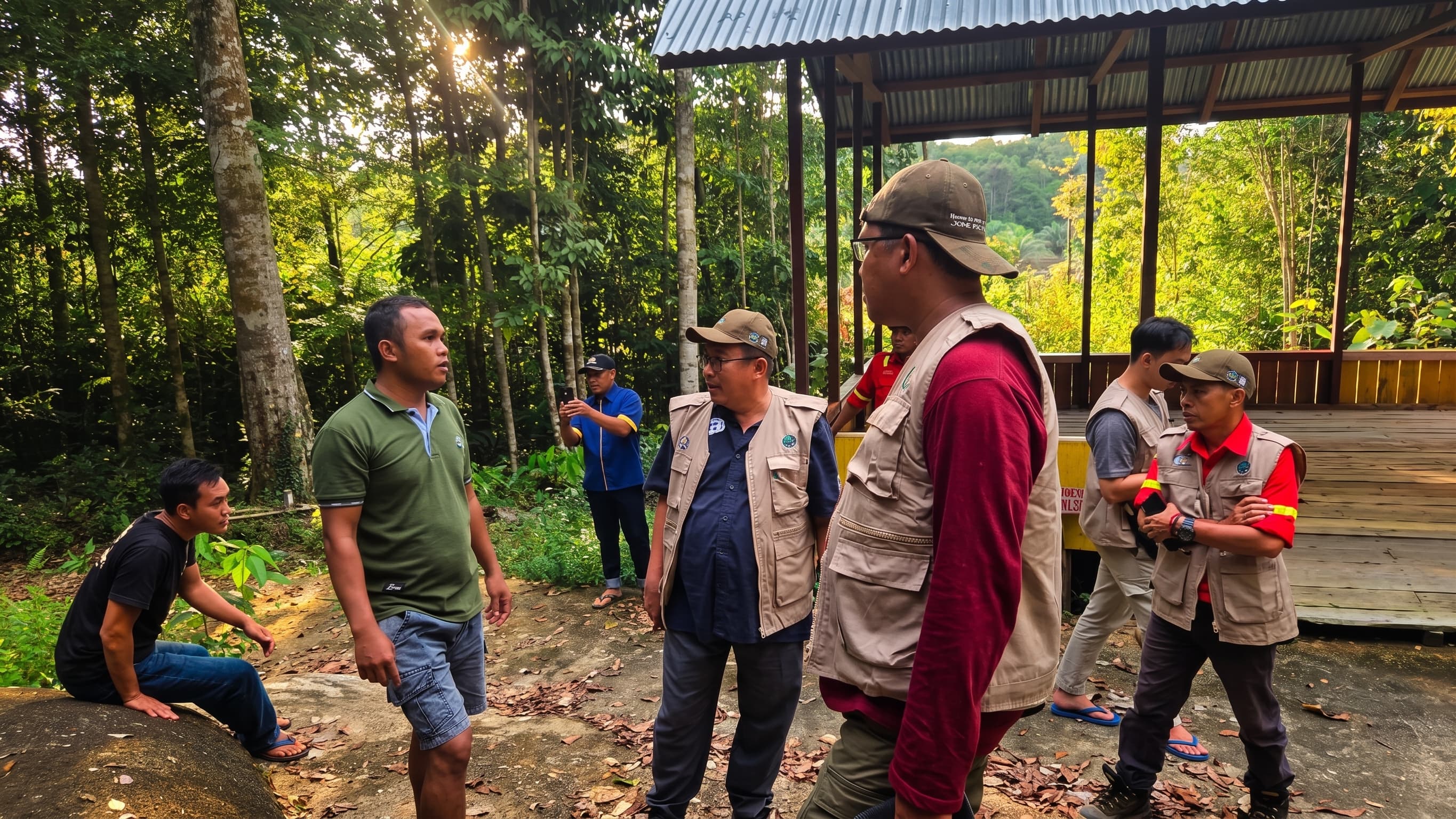
The Commitment to Safeguarding Conservation Areas for a Sustainable Forest Future
Read more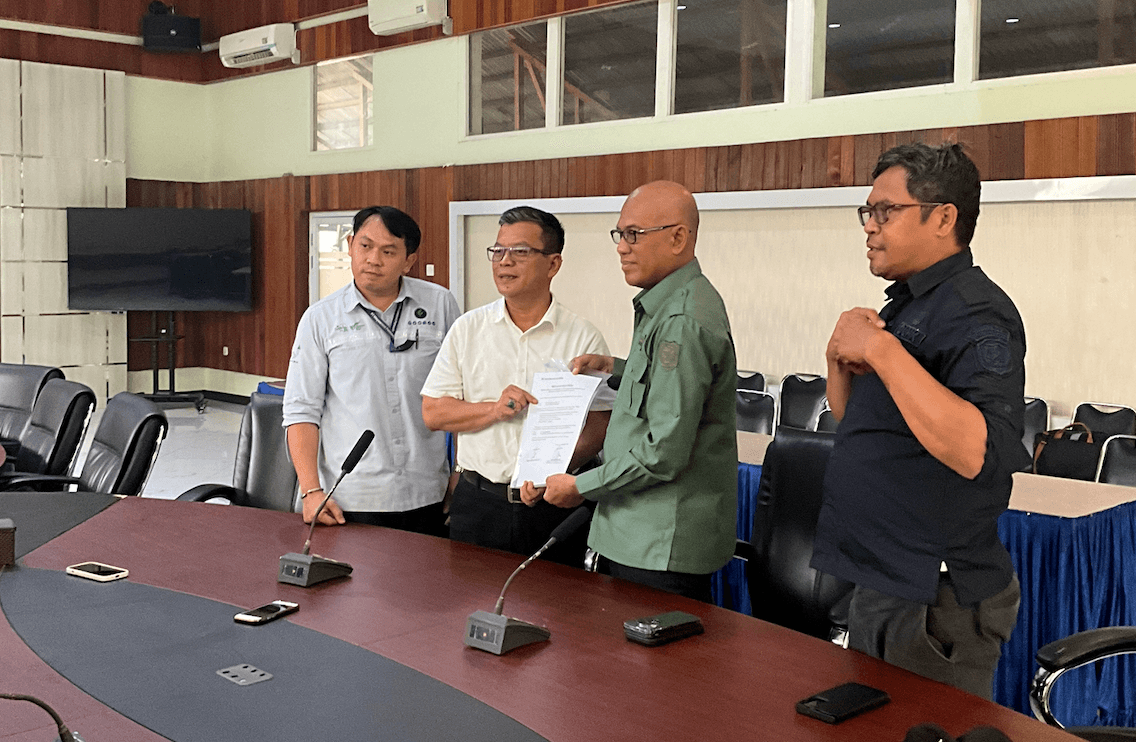 CSR & Community
PT Mayawana Persada Equips West Kalimantan Forestry Agency with Wildfire Response Gear
Read more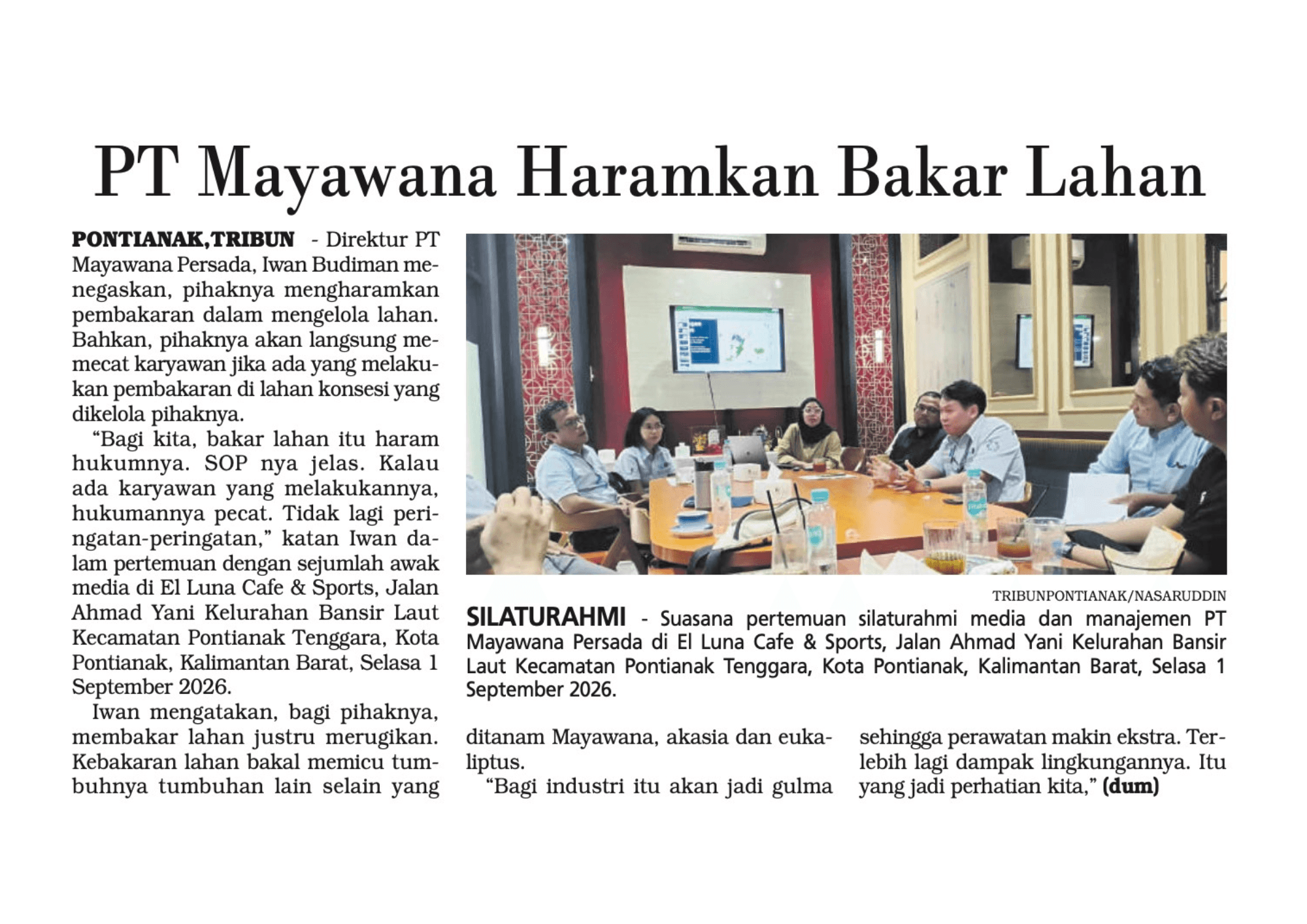 Operations & Field Activity
Strengthening Wildfire Prevention, PT Mayawana Persada Imposes Immediate Dismissal for Land Burning
Read more